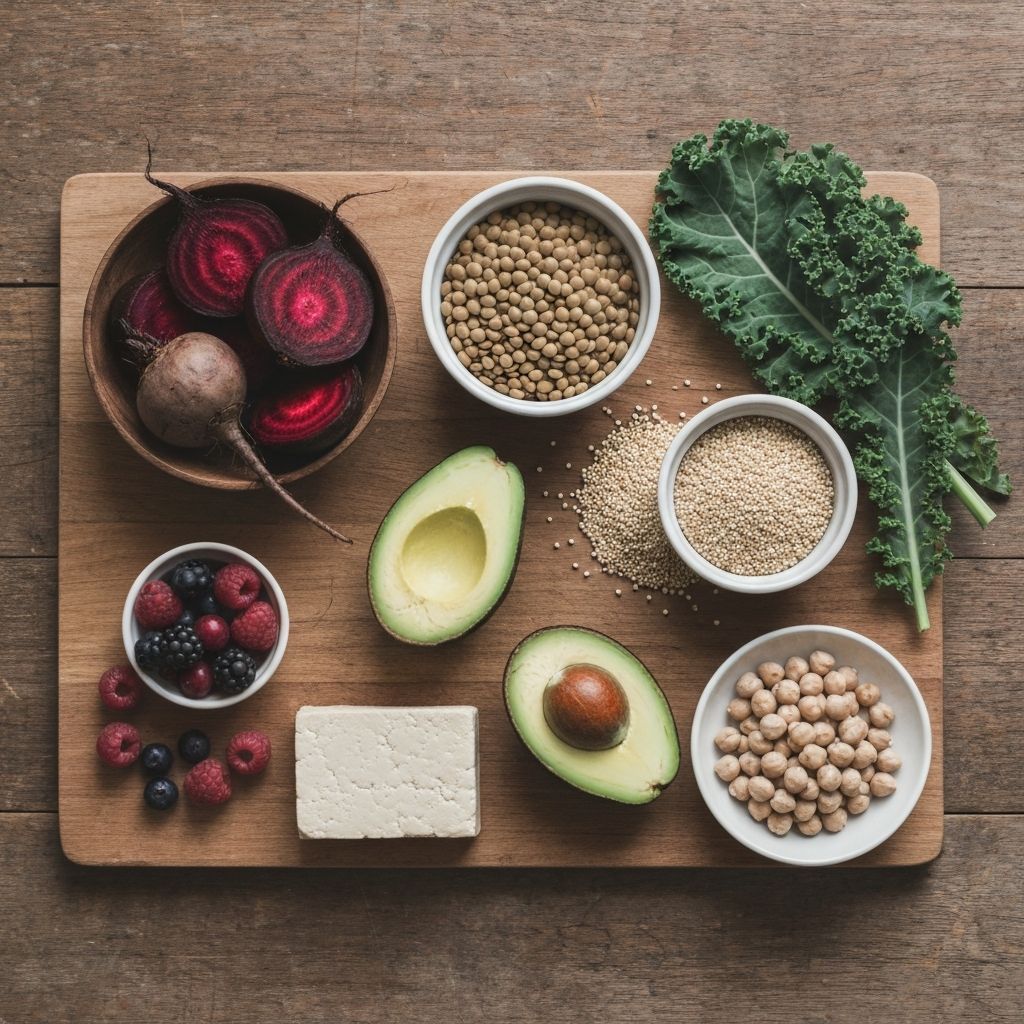
Exploring Plant-Based Dietary Patterns and Energy Balance
Educational content only. No promises of outcomes.
An informational resource exploring the characteristics, nutrient profiles and observed patterns of plant-forward eating approaches.
Definitions and Variations of Plant-Based Eating
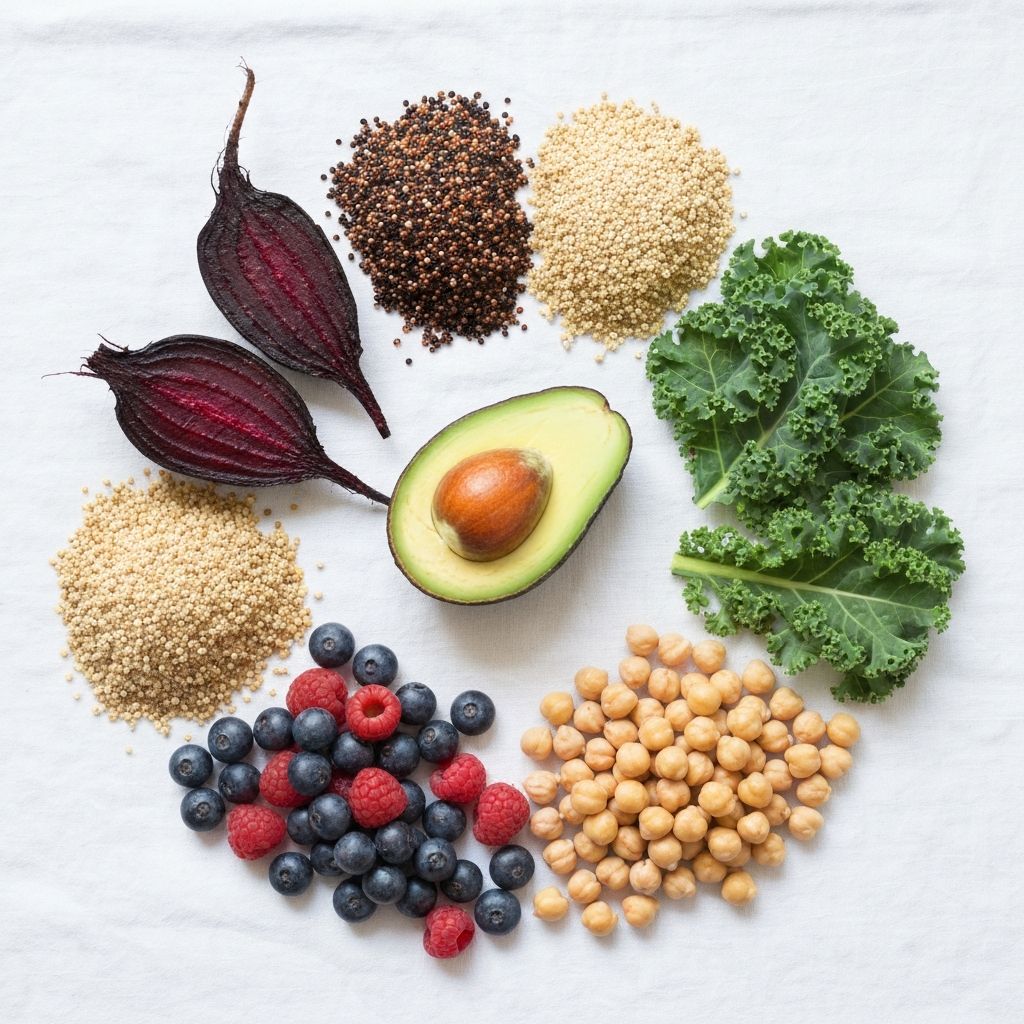
Plant-based dietary patterns exist on a spectrum. Individual approaches range from flexitarian patterns—where plant foods form the foundation with occasional animal products—through pescatarian patterns excluding meat but including fish, to fully plant-based or vegan approaches excluding all animal-derived foods.
These variations reflect different personal choices, cultural contexts, and individual circumstances. No single pattern is described as superior or optimal; rather, each represents a different relationship with plant and animal food sources.
Nutrient Composition Characteristics
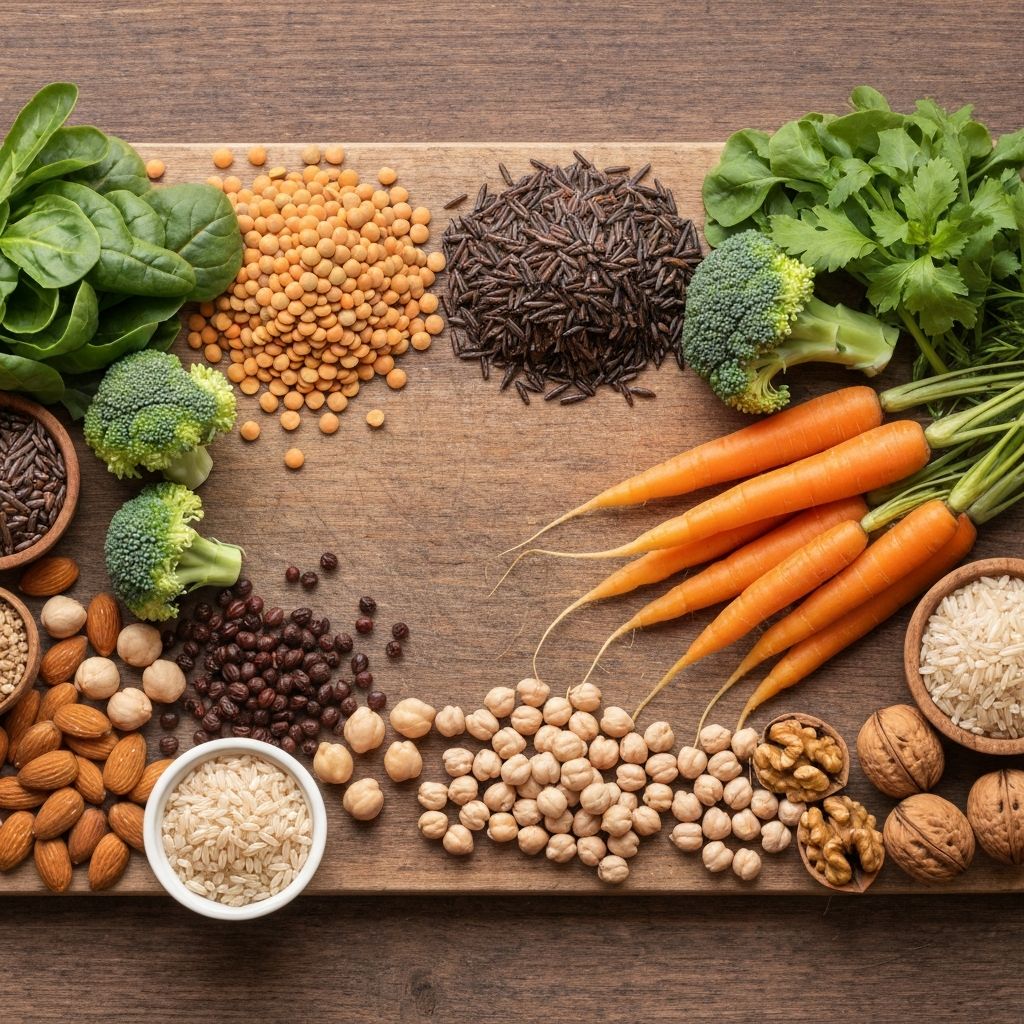
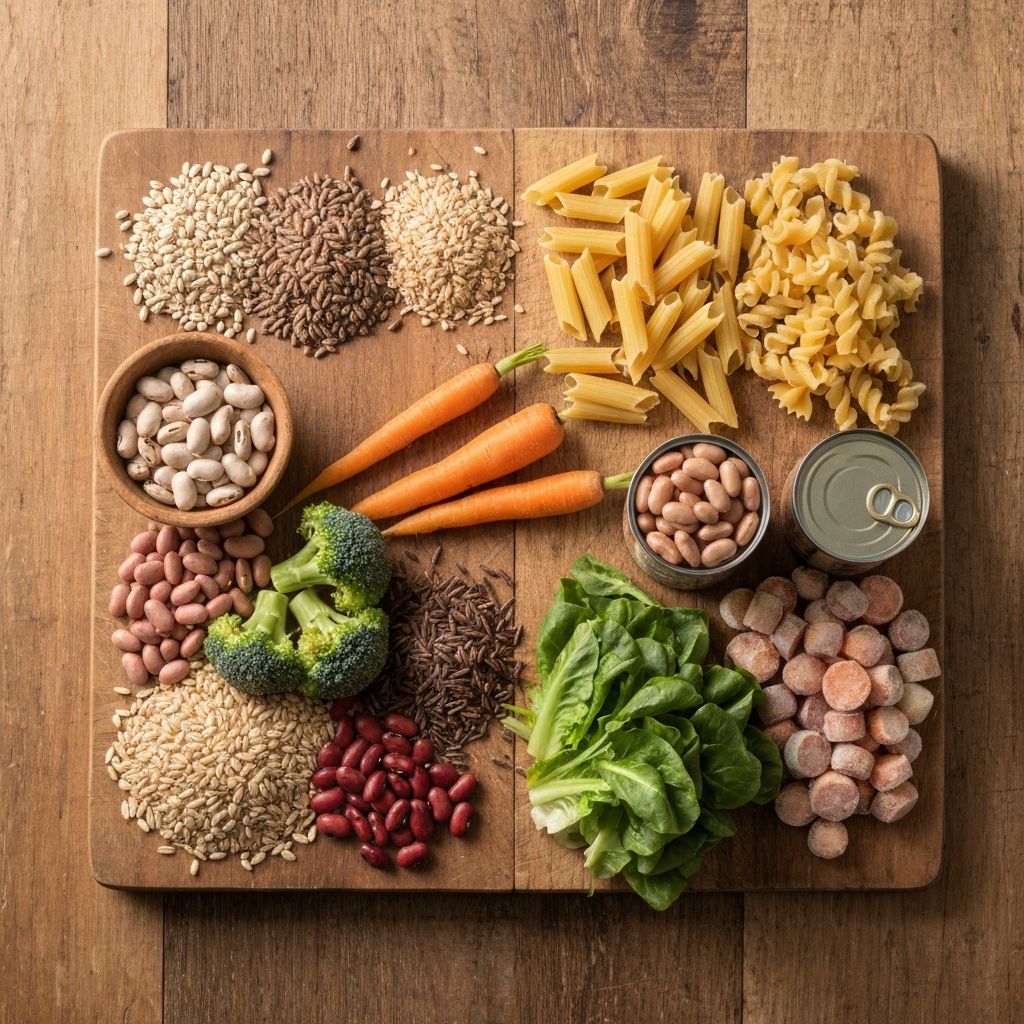
Plant-based foods show distinct nutrient profiles. Whole legumes—lentils, chickpeas, beans—combine plant protein with fibre and micronutrients. Seeds and nuts provide essential fatty acids, minerals and protein density. Whole grains deliver carbohydrates, B vitamins and fibre.
The energy density of many whole plant foods tends to be lower than some processed options, meaning greater food volume for equivalent calories. Fibre content in plant foods contributes to gastrointestinal transit and satiation mechanisms.
Protein sources in plant-forward patterns include legumes, tofu, tempeh, seeds, nuts and whole grains. Amino acid profiles vary across plant sources; combining different plant proteins across the day provides complete amino acid availability.
Role of Whole Plant Foods in Satiety Mechanisms
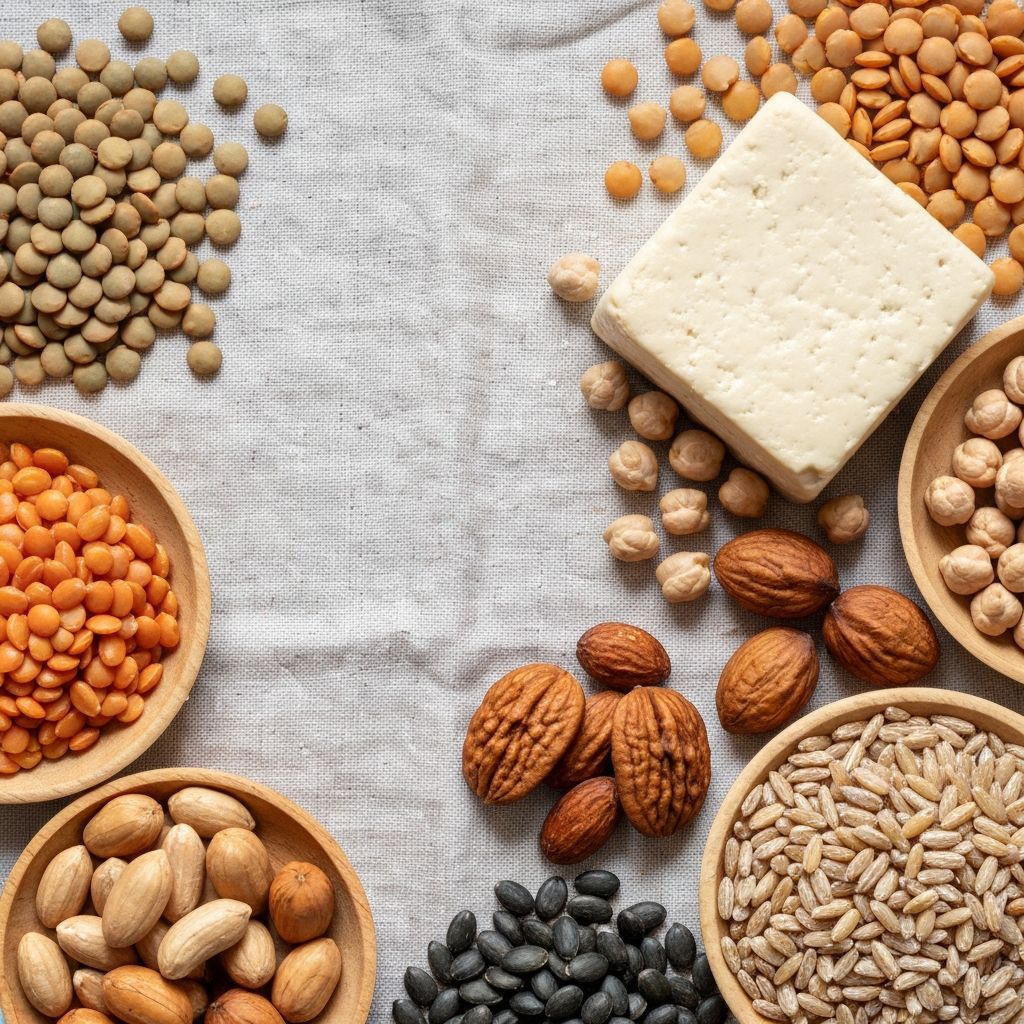
Whole plant foods—vegetables, legumes, whole grains, fruits—contain both water and fibre. Water adds volume without calories. Fibre influences gastric emptying and satiation signalling, allowing the body to register fullness from greater food mass.
This characteristic differs markedly from energy-dense foods that provide high calories in smaller portions. The physical properties of whole plant foods—their texture, water content and fibre—contribute to eating dynamics separate from caloric content alone.
Processed vs Whole Plant Food Differences
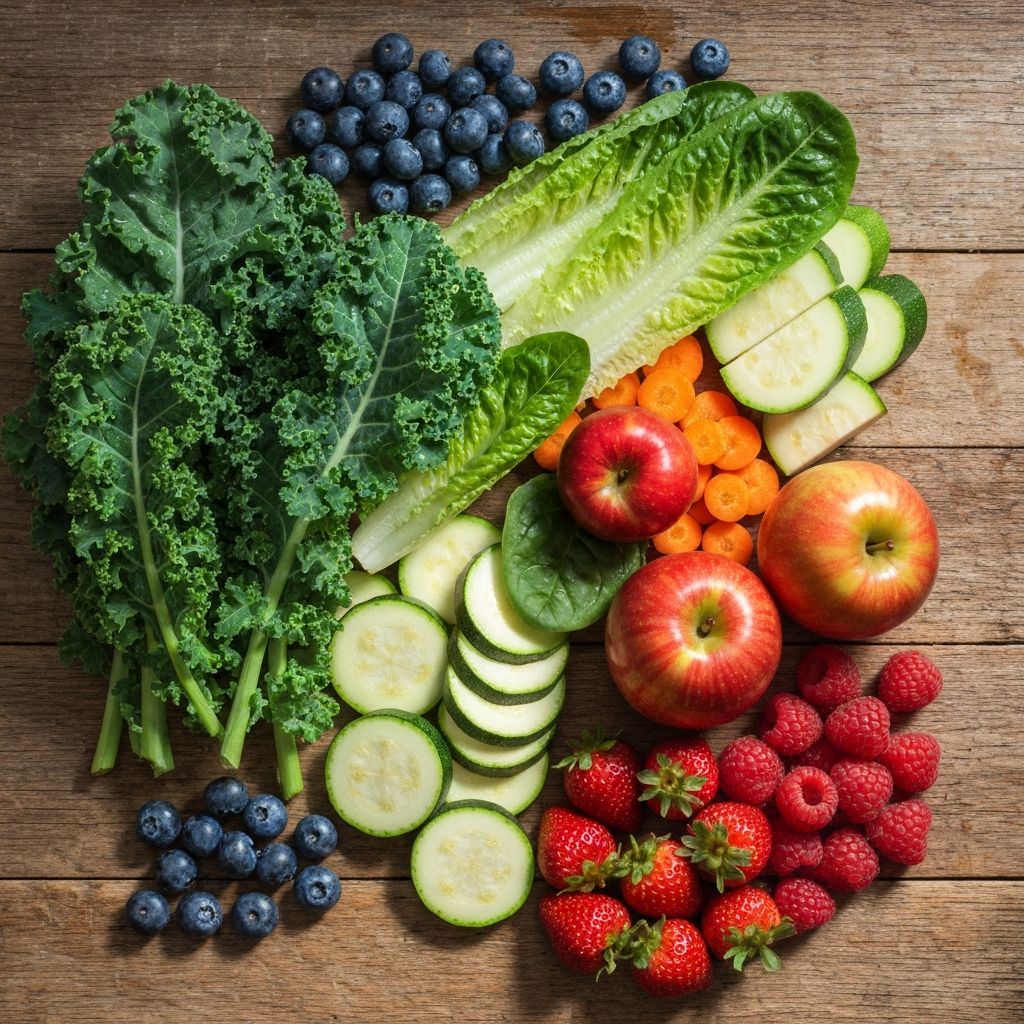
Processing can modify the nutrient and physical characteristics of plant foods. Whole plant foods retain original structure; refined or heavily processed plant products often lose fibre, water content and some micronutrients.
This distinction influences eating rate and satiation. Whole foods typically require more chewing and oral processing, extending meal duration. Processed plant products may be consumed more rapidly, affecting intake dynamics independently of taste or palatability.
Both whole and processed plant foods can feature in dietary patterns; the distinction is important for understanding nutrient delivery and eating behaviour outcomes.
Macronutrient Distribution Tendencies
Plant-forward dietary patterns often show distinct macronutrient distributions. Carbohydrate proportion tends to be higher due to legume and grain content. Fat intake often decreases if animal-derived sources reduce, though nuts, seeds and oils provide plant-based fat sources. Protein becomes distributed across multiple food sources rather than concentrated in single items.
Individual macronutrient needs vary based on activity level, age, sex, metabolism and personal food preferences. No single distribution is universally optimal; individual requirements and individual tolerance differ widely.
Observational Data on Plant-Forward Patterns
Large observational studies track health markers across populations with varying plant-food intake. Findings consistently show associations between higher plant-forward dietary patterns and markers of dietary quality—higher micronutrient density, greater fibre intake, lower processed-food consumption.
Observational associations do not establish causation. Individual response to dietary change varies widely based on baseline diet, current health status, food preferences, and numerous unmeasured factors. Population-level associations do not predict individual outcomes.
Controlled Trial Insights
Controlled interventions examining plant-based patterns show varied energy balance outcomes. Some trials demonstrate reduced overall energy intake in plant-forward approaches, attributed to satiation effects of higher fibre and water content. Other trials show minimal difference when matched for calories.
Trial quality, participant populations, intervention duration, and specific dietary composition all influence results. No trial establishes universal outcomes; individual variation remains substantial.
Individual Variability Factors
Nutritional needs vary significantly across individuals. Age, sex, activity level, baseline health status, food preferences, and metabolic factors all influence how an individual responds to dietary patterns and specific foods.
Some individuals thrive on plant-forward approaches; others find they require different patterns. Some experience satiation readily from plant-based meals; others require adjusted compositions. Digestive tolerance to high-fibre intake varies. Micronutrient absorption and utilisation differ individually.
Plant-based patterns are not inherently superior or inferior for all individuals—suitability depends entirely on individual circumstance, preference, and response.
Detailed Plant Food Explorations
Discover in-depth information on plant food characteristics, nutrient profiles, and research insights.
Spectrum of Plant-Based Eating
Explore the range of plant-based dietary patterns from flexitarian to fully plant-based approaches.
Learn moreNutrient Density and Energy
Understand the nutrient characteristics and energy profiles of different plant foods.
Learn moreFibre and Water Content
Explore how fibre and water contribute to satiety mechanisms in whole plant foods.
Learn moreWhole vs Processed Foods
Examine differences between whole and processed plant foods and eating dynamics.
Learn moreObservational Associations
Review data on plant-forward dietary patterns and dietary quality markers.
Learn moreIndividual Differences
Discover how individual factors influence responses to plant-based approaches.
Learn moreFrequently Asked Questions
Not universally. Whole plant foods like vegetables and legumes tend toward lower energy density due to water and fibre content. However, processed plant products (oils, nut butters, refined grains) can be highly energy-dense. Individual plant foods vary considerably; nuts and seeds, whilst plant-based, are energy-dense per gram.
Yes. Plant proteins from legumes, tofu, tempeh, seeds, nuts and whole grains provide all essential amino acids when varied across meals. Amino acid profiles differ from animal sources; combining different plant proteins ensures complete profile availability. Individual protein requirements vary by age, activity and health status.
Suitability varies individually. Some individuals thrive on plant-forward approaches; others require different patterns. Digestive tolerance to fibre, micronutrient needs, food preferences, and metabolic factors differ. Individual medical history and circumstances influence appropriateness. Qualified healthcare professionals should be consulted for personal dietary planning.
Plant-based refers to dietary patterns emphasising plant foods; it exists on a spectrum from flexitarian (mostly plants with occasional animal products) to fully plant-based. Vegan typically refers to a philosophy and lifestyle excluding all animal products for ethical, environmental or health reasons. Plant-based describes food composition; vegan describes broader lifestyle choices.
Whole plant foods require more chewing and oral processing, typically extending meal duration. This slower eating rate allows satiation signals to develop, potentially influencing total intake. Processed plant foods are consumed more rapidly, affecting eating dynamics. Both meal composition and eating pace influence satiation independent of calorie content alone.
Plant foods contain micronutrients; absorption and utilisation vary by nutrient type, food composition, and individual factors. Some plant sources provide high bioavailability; others less so. Individual micronutrient needs and absorption capacity differ. Diverse plant food intake maximises micronutrient variety; individual circumstances may require monitoring or supplementation in consultation with healthcare professionals.
Plant-based patterns may influence meal frequency due to satiation effects of fibre and water content, potentially extending time between meals for some individuals. Others find more frequent, smaller meals suit plant-forward approaches better. Individual hunger patterns, activity schedules and personal preferences determine meal timing. No universal pattern applies to all individuals.
No. Processing modifies nutrient composition, often reducing fibre and some micronutrients whilst adding sodium, oils and other ingredients. Plant-based meat and dairy alternatives provide convenience but differ nutritionally from whole plant sources. Both whole and processed plant foods can feature in dietary patterns; understanding their distinct characteristics is important for informed choices.
Observational studies track existing dietary patterns and health markers without intervention, identifying associations but not establishing causation. Clinical trials assign participants to specific interventions and measure outcomes, providing stronger causal evidence but often involving smaller populations over shorter periods. Both contribute to understanding; neither provides universal individual predictions.
Age, sex, activity level, baseline metabolic health, food preferences, taste sensitivity, digestive capacity, micronutrient absorption efficiency, and psychological factors all influence individual response to plant-based patterns. Genetic variation, current food familiarity, cooking skills and social environment also contribute. Population-level patterns do not predict individual outcomes; individual experimentation and monitoring matter substantially.
Continue Exploring Plant-Forward Dietary Characteristics
Visit our detailed explorations to discover more about plant-based eating patterns, nutrient profiles and research insights.
Explore Plant Food Characteristics